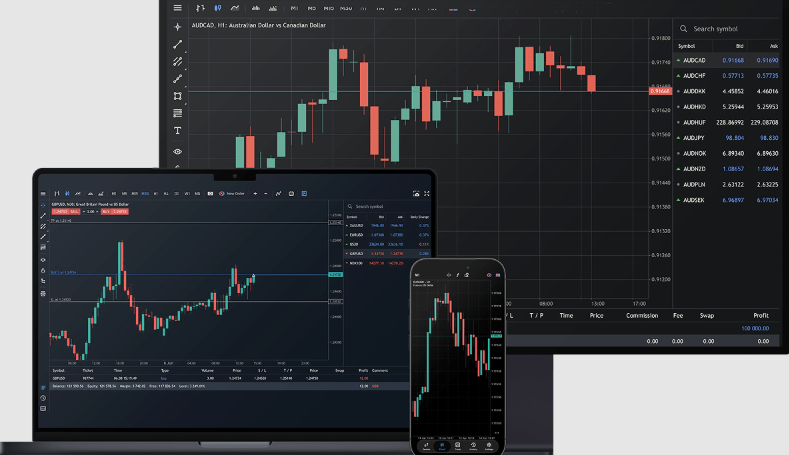
Forex trading has become increasingly accessible to individuals seeking opportunities in the global financial markets. However, choosing reliable forex trade brokers can make a major difference in how smoothly a trading journey develops. Traders should consider platform quality, available instruments, costs, execution, and customer support before making a decision.
A good broker provides access to financial markets through dependable trading technology. The right platform should be easy to navigate while offering useful tools for market analysis, order management, and account monitoring. Traders can then focus more effectively on their strategies without being distracted by unnecessary technical difficulties.
Trading costs are another important consideration. Spreads, commissions, overnight charges, and other account fees can influence overall trading results. Even small differences may become significant when transactions are placed frequently. Comparing the pricing structures of different providers allows traders to understand which option may better suit their trading style and budget.
Market access also deserves careful attention. Depending on individual goals, traders may want exposure to major currency pairs, minor pairs, commodities, indices, or other financial instruments. A broader selection can provide flexibility, although having more choices does not automatically guarantee better performance.
Risk management should remain central to every trading plan. Financial markets can move quickly because of economic announcements, interest-rate decisions, geopolitical developments, and changes in investor sentiment. Traders should establish suitable position sizes, use protective orders when appropriate, and avoid risking more capital than they can reasonably afford to lose.
Education can also support better decision-making. Beginners may benefit from learning about technical analysis, fundamental analysis, market psychology, and trading discipline before committing substantial funds. Practicing strategies in a simulated environment can help traders understand order types and platform functions without immediately exposing real money to market movements.
Another useful consideration is the quality of customer assistance. Questions about deposits, withdrawals, account settings, verification, or platform functionality can arise at any time. Responsive support can make the overall experience more convenient, particularly for newer traders who may need guidance while becoming familiar with their trading environment.
Security and transparency should never be overlooked. Traders should review a provider's regulatory information, account conditions, privacy practices, and policies before opening an account. Understanding how funds are handled and what protections may apply can help users make more informed choices and avoid unnecessary uncertainty.
A disciplined approach is equally important after selecting a broker. Having access to advanced tools does not replace the need for patience, research, and consistent risk controls. Traders should evaluate their performance regularly and adjust their methods when evidence suggests that a strategy is no longer appropriate for current market conditions.
Before moving into live trading, many beginners choose an mt5 demo account to practice their strategies. A demo environment can provide valuable experience with charts, indicators, order execution, and position management while using virtual funds. This practice can help traders build familiarity and confidence before considering real-market participation.