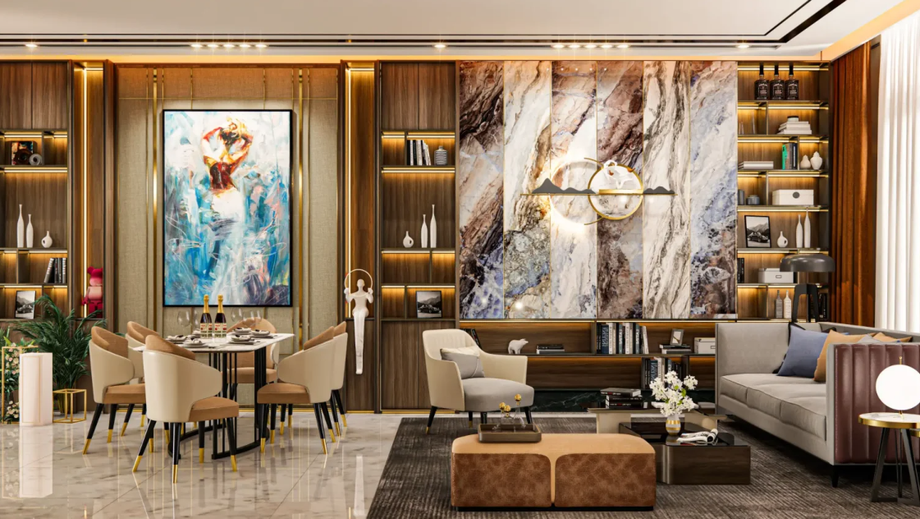
Every home has the potential to become more comfortable and functional when its design reflects the people living there. Residential interior designers in Hyderabad can help homeowners make informed decisions about layouts, furniture, lighting, and materials. A carefully planned interior supports daily routines while creating a welcoming atmosphere that feels personal.
Good residential design balances immediate preferences with long-term usability. A fashionable finish may look attractive initially, but durability and maintenance also matter. Considering the household's changing needs helps create spaces that remain useful as children grow, work arrangements change, or family members require different facilities.
Planning Around Everyday Activities
The first stage of design should focus on how each room will function. Living rooms need comfortable seating and clear movement, bedrooms require restful arrangements, and kitchens benefit from organized work areas. Understanding these activities makes it easier to establish a practical layout.
Homeowners should also identify their storage needs. Books, clothing, appliances, cleaning supplies, and personal collections all require appropriate places. Planning storage early can reduce clutter and prevent the need for additional furniture later.
Creating A Harmonious Color Palette
Color influences the atmosphere of a room. Soft neutrals can provide a flexible background, while deeper shades create contrast and character. Choosing a limited palette for walls, furniture, and accessories helps different spaces feel connected without appearing repetitive.
Lighting should be considered before finalizing paint and fabric colors. Daylight changes throughout the day, while warm and cool artificial lighting can alter how finishes appear. Testing samples in the actual room helps homeowners make more confident decisions.
Choosing Furniture That Fits
Furniture should support comfort and preserve enough space for movement. Measuring rooms, doorways, and access routes before purchasing large items helps avoid delivery and installation problems. In smaller homes, extendable tables, storage ottomans, and wall-mounted furniture can improve flexibility.
Quality matters, but expensive furniture is not always necessary. Homeowners should compare construction, comfort, materials, warranties, and maintenance requirements. A combination of dependable essentials and a few distinctive decorative pieces can create an attractive interior without exceeding the budget.
Making Lighting More Effective
A well-lit room usually combines general, task, and accent lighting. Ceiling fixtures provide overall illumination, focused lights support activities such as reading or cooking, and accent fixtures draw attention to artwork or architectural details.
Natural light should also be used effectively. Suitable curtains, blinds, and furniture placement can help preserve daylight while controlling glare and privacy. Good lighting planning improves the usefulness of a space and contributes to its atmosphere.
Managing The Design Process
Before work begins, homeowners should approve the layout, material selections, budget, and project schedule. Written specifications reduce misunderstandings, while regular progress reviews help identify issues early. A contingency fund can provide flexibility when unforeseen requirements arise.
Homeowners comparing Interior design firms in Bangalore should assess project experience, communication, transparent estimates, and the ability to balance aesthetics with practical needs. Thoughtful decisions and professional coordination can transform an ordinary property into a comfortable, organized, and personalized home.